Wednesday, 2 September 2015

What is a Hot Toddy?

Whether we like it or not, it seems summer has passed us by for another year and there is a definite chill in the air on an evening.  The dark nights are coming up fast and the prospect of frost and snow has to be considered, though hopefully not for a while.  But as the weather turns against us, we often come home looking for something to warm us through and one idea (though not for the kids particularly!) is the hot toddy.  But what exactly is this?


Hot toddy basics

For most people, the hot toddy involves whiskey and this has been at the heart of the drink.  But modern versions have come along that explore other alcoholic components and, apparently, some of them are quite tasty.

The phrase ‘hot toddy’ is said to have connections to a drink that was brought to Scotland by those working for the East India Company as the word toddy is a drink in India made from fermenting the sap of palm trees (doubt there were many of them in Scotland at the time).  Another possible idea for the name comes from the freshwater spring at Arthur’s Seat in Edinburgh and the drinks made with it – whiskey being one of them!

When it comes to choose an alcohol for the job, go for something that has the strength to stand up to the other ingredients.  A good whiskey is something like a Talisker or an Islay Malt – Chivas regal, Glenlivet and other famous brands are a little too delicate.  Bourbon works well as an after-dinner toddy with its vanilla flavours while spicy drinks also work.


The hot bit

The other main ingredient in a hot toddy is the hot element and hot water is most common.  But there are other ideas for those looking for the more exotic – these include using a spice-infused tea for a chai rum toddy while another mixed apple juice and Drambuie.  The latter is said to be a lot like mulled wine.  Sugar, sugar syrup or honey can all be added to the hot element to enhance the flavours used.

The final element is what makes the drink – the spices.  The chai toddy mention makes use of some really exotic spices such as star anise, cardamom and peppercorns though some may find them too powerful.  Traditional spices used as cloves and a cinnamon stick for a subtle heat.  Ginger is another option to add as it is also warming while ground nutmeg brings a slightly peppery taste.


Cinnamon sticks and a twist of lemon peel are often used as garnish but the great thing about this drink is there is no need to stand on show – you don’t need a fancy glass and elaborate finishing as your favourite mug that the kids got you for Christmas will do the job perfectly.  The point is to wrap the hands around the mug, inhale the warming aroma and enjoy feeling the heat of the drink warm you all the way to your toes – that’s the whole point of the hot toddy!

Wednesday, 26 August 2015

Choosing the Perfect Sparkling Wine

Whether commemorating a special event such as a wedding or anniversary, celebrating a special birthday or congratulating on a new job, a bottle of champagne is a traditional gift.  But not everyone likes champagne so what other sparkling wines are available?


Understanding the sparkle

Sparkling wine is a wine that has bubbles and is carbonated.  It tends to be named by the region where it is produced – hence Champagne comes only from the Champagne region of France.  Being possessive of their name and brand, the French won’t allow any other sparkling wine to be called champagne, so hence a variety of names have come along as the appeal of sparkling wines spread.

Sparkling wine also comes in four levels of sweetness and the bottle will tell you what level it is.  At the top of the scale is the Extra-Brut – this is the dried kind of wine and is where the yeast in the process has completely consumed the sugar so there no hint of sweetness to the resulting drink.  Next up is Brut, the most commonly encountered and popular level.  This wine is dry with just a hint of sweetness as the yeast was stopped just before it ate all of the sugar.  Champagne is nearly always Brut.  Extra Dry is somewhere between Brut and Extra-Brut and Prosecco is the most well known variety.  Finally, Demi-sec is a sweet sparkling wine, usually drank with dessert as it has a noticeable amount of sugar in it.


Types of sparkling wine

Champagne isn’t the only sparkling wine from France as there is another type called Crement – basically this is champagne that is made in other parts of the country, normally Burgundy, Jura, Alsace and Loire to name a few.  It has near the quality of champagne but a less heavy price tag.

Prosecco has quickly become the popular alternative to champagne and comes from Italy, using the Glera grape.  It has a less complex flavour than champagne often said to have the flavours of white flowers, apple and pear in it.  It has become the favourite sparkling wine for parties and for gifts, with personalised labels being a great way to make a bottle a commemorative present as well as a tasty one.

Lambrusco is the other well known sparkling Italian wine and has become rather trendy in places like New York.  It is an off-dry sparkling red wine from Emilia Romagna that works well with Italian foods such as prosciutto and parmigiana reggiano.

Franciacorta is another sparkling wine from Italy, specifically from the Lombardy region.  It is very tasty though does tend to be expensive and is made with chardonnay, pinot noir and pinot blanc grapes.  The resulting wine tends to lack the zesty acid of champagne.

Cava is the Spanish sparkling wine, though at one time had a reputation of being less than the best.  Modern versions however, have changed this and are a good quality product that is widely available.  They also use the same methods as in champagne and some are aged even longer.  The main grapes used are Xarella, Parellada and Macabeo.


Sekt is any of Germany’s sparkling wines and some of these have come on a lot in recent years to be a good quality product, with Riesling Sekt being noted as one such variety.  It has the green apple and nectarine flavours of a Riesling with a sparkle as well.

Wednesday, 19 August 2015

Top Back to School Tips

It’s that time of the summer again, where parents look at the calendar and realise there are only a couple of weeks of the school holidays left.  Now is the time to start thinking about all those back to school matters and what you need to organise for their return to class.  It is also the time to start contemplating the first days of school for the new starters.


New starters

Some kids leap into their first day of school as if they had been going for years but for others, it is a scary time.  One tip to help them get ready for their first day of school is to get a personalised storybook that tells the tale of the first day and gets them ready for what to expect.  Now is a good time to get the book and read it in the days before that big first day to help them feel happier and more relaxed about it.  It also starts to arrange a bedtime routine that can continue once they are in school and means a set bedtime isn’t another new thing to adapt to.


Getting prepared

The weeks leading up to the new term are the best time to take stock of what you have and start a list of what you need.  The oldest kid in the household is bound to have outgrown their school uniform though their off-casts could be great for the younger kids or for the kids of family and friends.  Pre-loved is a great way to help out other parents or to find those items you are missing and lots of Mums websites such as Netmums will have notice boards to make swaps.  Some schools also sell second hand, good quality uniforms at a sensible price.

As well as their daily uniform, don’t forget the PE kit, even if the kids aren’t too enthusiastic about it.  From the swimming kit to the general sports gear and anything they need for special sports they are involved with all needs checking for condition and most importantly to ensure it still fits!

New terms are an ideal time to stock up on some new stationary and a quiet bribe for the kids.  A new bag or rucksack, a new pencil case and associated stationary is a great way to get them a little more excited about returning to school.  A new lunchbox may be needed too, as last year’s is likely too ‘young’ for them now or doesn’t have the current trendy group or character on them.


Planning ahead


As the winter ranges are hitting the shops in the next few weeks, it can also be a good time to do an inventory of their winter gear to see how they stand.  While the last few winters haven’t been too severe in the snow front, a good winters coat and boots are better to have and not need than the other way around.  Plus many kids love a new woolly scarf and hat for when the frosts come and a raincoat will doubtless be needed at some point, especially if the summer is anything to go by!

Wednesday, 12 August 2015

How to Use Cushions to Decorate a Room

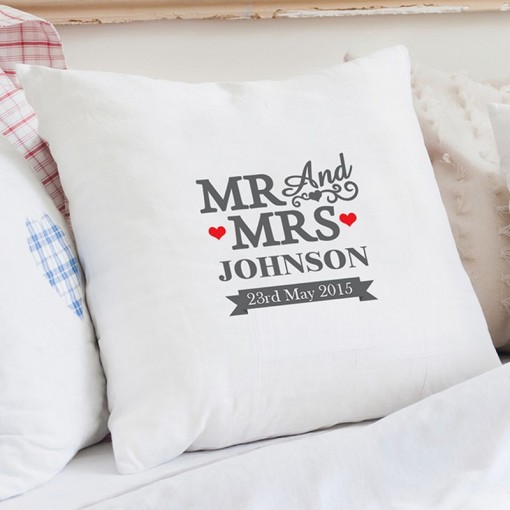
Most of us have cushions in our living rooms and sometimes in the bedrooms and they can be a real decorative feature or a real pain.  Getting the most from cushions seems to be a bit of a challenge but there are some goodtips to help you conquer the cushion and successfully use them to decorate a room and here are a few.


Colour and pattern

The first tip is that if your sofa or chair comes with matching cushions, toss them into the nearest charity shop.  Cushions should add colour, pattern and texture to a room but if they are the same colour or pattern as the sofa, all they are doing is taking up room.  They will merely spoil the line of the sofa and blend in pointlessly.

The next tip to picking cushions is about your colour palette and is probably the most important point.  The choice of colour for your cushions is far more important than the material they are made from, their size or shape.  You need to look at the existing elements in the room – the walls, the artwork, the patterns on the curtains and the furniture – all of which come with colour and pattern.  The tip to choosing the colour of the cushions is to go for something that ties all those elements together.  Firstly, the colour you pick should already be in the room – it could be the colour of the curtains, in one of the paintings or an ornament, even in the pattern of the sofa.  Secondly, it must coordinate with the other colours in the room.  If you are unsure about the colours, there are some great online colour swatch websites to use that will help out.


How many cushions?

How many cushions to add to a room depends on the overall style of the room.  if your is a traditional style room with deep colours, then go for an even number of cushions, say two per sofa or four.  For a modern room or one aiming for an eclectic look, then go for an odd number, say three per sofa or five.  Of course, this isn’t set in stone but an idea based on other’s experiences.

Another way to look at the number of cushions is by the number of seats on the sofa.  For example, a three-seater sofa can adequately accommodate five cushions and a two seater can work with up to four cushions but on a single seater, one cushion is probably the best.


Picking the cushion


So now, you have the colour or colours that will work in the room and the number of cushions you want.  So off to the shops you can go or hit the internet.  You can see what patterns you can add to the mix and even consider a special personalisedcushion for the single seat chair in the room.  This might commemorate a special event in your history or just be something a little fun.  Even piled among the coloured cushions, this special one can form a harmonious partnership.

Wednesday, 5 August 2015

Top Wall Decorating Ideas

At one time, decorating the walls of your house came down to two simple choices – paint it or put some wallpaper up.  Once you had chosen one of these, then it would be a case of hanging a picture or a mirror and that was the room finished.  While there’s nothing wrong with this, there are now plenty of modern additions to the list to vary your walls.  Here are some top wall decorating ideas.


Texture

Using textured wallpaper was once the best way to give the walls of your room the appearance of texture.  But if you have nice newly plastered walls, then this seems a bit of a waste.  However, there are surprisingly simple ways to bring a look of texture with painted walls.  One such idea is to take a new broom – think witch’s broomstick style – and spread the bristles out.  After the paint has been applied to the wall and is still wet, drag the broom down through the paint gently to create a wood grained effect.

You can add the illusion of texture by using a patterned roller too.  These come in a range of patterns and are often found in craft shops as well as DIY specialists.  These apply the paint in a pattern creating the effect of a wallpaper without the mess and trouble of actually wallpapering.


Wall decoration

Adding your own decorations straight to the wall is another big trend that has so many variations there is one suitable for every room.  In the kids’ bedroom, you can let them loose to make their own patterns or embellishments to a plain wall or you can do it for them if you have a bit of artistic streak.

Another alternative for all parts of the house is the use of wall art.  These are special wall vinyls that can be applied to a painted wall and bring a personalised effect to the room.  For example, if you have a little princess, then a wall art ‘For Our Princess’ and her name is a great way to make her dream room.  The same type of wall art can be used in the master bedroom, commemorating a wedding anniversary or other special date and even in the kitchen.


Embellishing walls

Anyone familiar with making their own cards will know about embellishments but you can now get them in room-sized versions.  One such example are butterflies made from paper that vary in size and colour.  Arrange the flock into a heart or other shape on the wall for a 3D effect that is truly unique.  You can even make your own with card, a few templates and a nice sharp pair of scissors, so a great job to keep the kids occupied on a rainy day.


Even something as simple as adding a polka dot pattern can be done by cutting a template full of circles.  Hold this against the wall and paint the holes with a contrasting shade to the wall for a bright and cheerful pattern that is great for bathrooms and kitchens.

Wednesday, 29 July 2015

Why Eggs are So Good for You

Eggs are one of the most overlooked food items on the planet because they are filled with so many beneficial nutrients that they are often called nature’s multivitamin.  Not only that but they even have their own unique antioxidants as well as nutrients that help the brain as well as the body.  And there are so many ways to cook them there is something for all tastes!


Healthy stuff

In one single large egg are a huge combination of high quality proteins, minerals, vitamins and even good fats.  These include:
  • 6% of the RDA of vitamin A
  • 9% of the RDA of vitamin B12 (Cobalamin)
  • 15% of the RDA of vitamin B2 (riboflavin)
  • 22% of the RDA of selenium
  • Traces of calcium, iron, potassium, zinc, manganese, folate, vitamin E and many more


Each large egg contains 77 calories as well as 6g of high quality protein, 5g of fat and small traces of carbohydrates.  Most of these nutrients are in the yolk of the egg with only protein being found in the white.

Cholesterol is the main reason people are warned not to eat eggs and while 212mg of cholesterol in a large egg sounds a lot, remember that it doesn’t mean it will raise bad blood cholesterol levels.  The liver produces cholesterol each day but if you eat it, the liver then reduces its output accordingly.  Some studies have shown eggs actually improve cholesterol by raising the good cholesterol and changing the bad to a sub-type that is less damaging to the heart.

Eggs also contain something called choline, a less known nutrient often clumped in with B-complex vitamins.  It is vital for a healthy body and is needed by the brain, as it is a component of cell membranes and also used to create a neurotransmitter that sends signals from the brain around the body.  It is particularly important for pregnant women to help the development of their babies.

Two antioxidants are contained in eggs, called Lutein and Zeaxanthin, both of which help protect the eyes and are found in the yolk.  They can reduce the risk of conditions such as cataracts and macular degeneration, leading causes of blindness in the elderly.


Eating eggs

Kids don’t always take to eggs but one way to convince them to try it out is the boiled egg and soldiers.  Get them their own personalised egg cup and cut either bread fingers or toast fingers to accompany the eggs.  We cook our soft-boiled eggs for 3 ½ minutes once the water boils but different people have different preferences.  If you want a hard-boiled egg for a sandwich, simply cook the egg for longer.


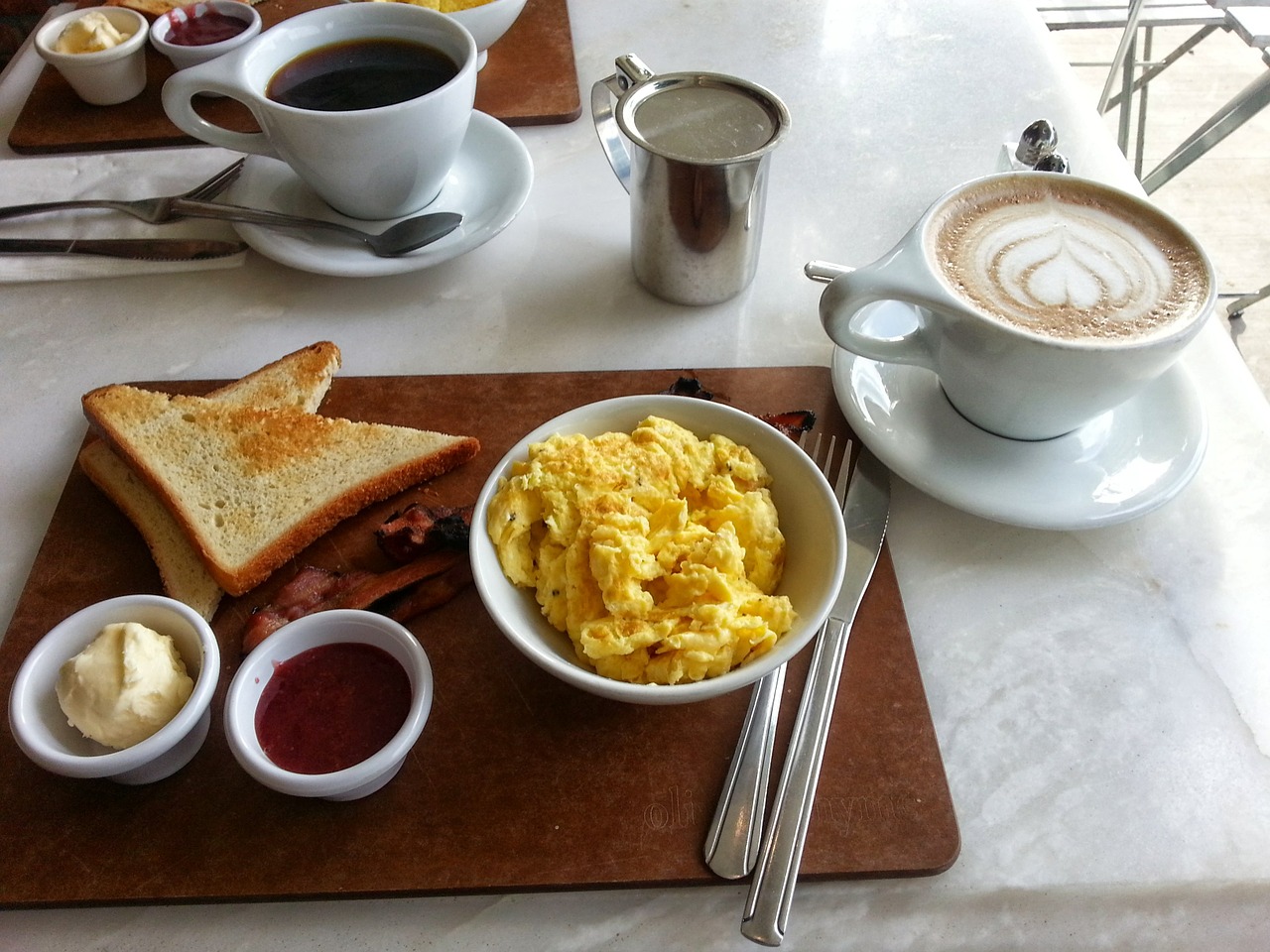
Scrambled eggs are another great way to get kids to eat eggs and can be done in a way that they don’t even realise what they are eating.  Crack the eggs into a bowl and mix with a fork.  Add milk to the mix and continue to whisk.  Pour the mixture into a pan with butter in it and cook until the eggs are light and fluffy, yellow in colour, remembering to move them around as you do.  You can serve them on toast and even add a little grated cheese on top.

Wednesday, 22 July 2015

Who to Buy for in the Wedding Party

There’s a lot of work goes into preparing and planning for a wedding and usually quite a few people help out.  Parents, family members, close friends may all get involved and may be playing an active part on the big day.  The wedding couple traditionally buy presents for certain members of the party to show their appreciation and to commemorate the day.  But who buys what for who?


Parents

Traditionally, the groom would buy something for his own mother and for the mother of the bride.  Often this may be a simple bunch of flowers given to each at the end of the speeches on the wedding day.  He would often buy a thank you gift for his father in law who had contributed the financing for the wedding.

In modern versions, there are plenty of different scenarios to cover.  The result is often a couple will choose a special gift for each of their parents or for both couples to remember the day.  One favourite idea for this is a personalised picture frame, to which a photo of the couple or the group can be added.  Having the date printed on along with a personal message is a great way to thank them for their efforts and love as well as to remember the day by in the future.


Best man and ushers

These are traditionally also the responsibility of the groom as they are ‘his’ helpers.  The best man usually receives a special present with cufflinks or a hip flask being traditional favourites.  Secondary presents are given to the ushers, usually of a lesser value.  Personalised cufflinks are a modern take, featuring the person’s name on one side and ‘best man’ or ‘usher’ on the other.

These presents are given out on a morning before the wedding party has begun.  Sometimes taking everyone out for a meal or a few drinks in the lead-up to the wedding is an alternative. 


Bridesmaids

The bridesmaid presents are traditionally the lot of the bride and the chief bridesmaid, like the best man, tends to have something a little special.  Jewellery is a popular choice and if this is the case, it is often given on the morning of the day to be worn.  Otherwise, presents are given out after the speeches on the day.

A popular alternative to jewellery is a customised glass celebrating the day and aimed at their favour drink.  So a champagne flute or wine glass for those who favour wine, a shot glass for those who like something small and even a tall glass for anyone who likes a tall drink or doesn’t like alcohol.


Other presents


If there are kids involved in the wedding party, then a keepsake present they can reflect on in later years is popular rather than something for their current age.  It is also traditional to give something to anyone else who had helped with the wedding and a commemorative gift is always a popular idea, particularly if it is someone you don’t know well and are unsure what to buy for them.