Wednesday, 12 August 2015

How to Use Cushions to Decorate a Room

Most of us have cushions in our living rooms and sometimes in the bedrooms and they can be a real decorative feature or a real pain.  Getting the most from cushions seems to be a bit of a challenge but there are some goodtips to help you conquer the cushion and successfully use them to decorate a room and here are a few.


Colour and pattern

The first tip is that if your sofa or chair comes with matching cushions, toss them into the nearest charity shop.  Cushions should add colour, pattern and texture to a room but if they are the same colour or pattern as the sofa, all they are doing is taking up room.  They will merely spoil the line of the sofa and blend in pointlessly.

The next tip to picking cushions is about your colour palette and is probably the most important point.  The choice of colour for your cushions is far more important than the material they are made from, their size or shape.  You need to look at the existing elements in the room – the walls, the artwork, the patterns on the curtains and the furniture – all of which come with colour and pattern.  The tip to choosing the colour of the cushions is to go for something that ties all those elements together.  Firstly, the colour you pick should already be in the room – it could be the colour of the curtains, in one of the paintings or an ornament, even in the pattern of the sofa.  Secondly, it must coordinate with the other colours in the room.  If you are unsure about the colours, there are some great online colour swatch websites to use that will help out.


How many cushions?

How many cushions to add to a room depends on the overall style of the room.  if your is a traditional style room with deep colours, then go for an even number of cushions, say two per sofa or four.  For a modern room or one aiming for an eclectic look, then go for an odd number, say three per sofa or five.  Of course, this isn’t set in stone but an idea based on other’s experiences.

Another way to look at the number of cushions is by the number of seats on the sofa.  For example, a three-seater sofa can adequately accommodate five cushions and a two seater can work with up to four cushions but on a single seater, one cushion is probably the best.


Picking the cushion
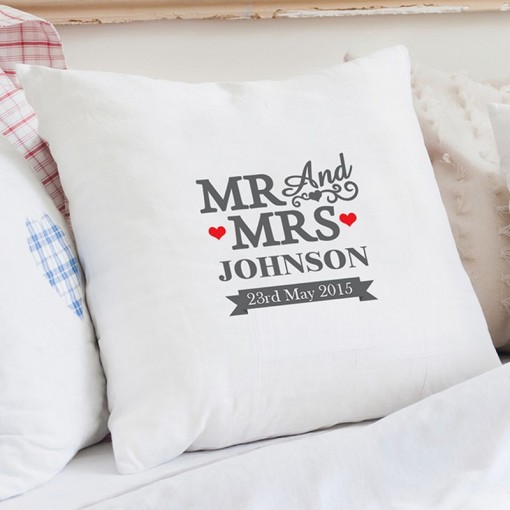

So now, you have the colour or colours that will work in the room and the number of cushions you want.  So off to the shops you can go or hit the internet.  You can see what patterns you can add to the mix and even consider a special personalisedcushion for the single seat chair in the room.  This might commemorate a special event in your history or just be something a little fun.  Even piled among the coloured cushions, this special one can form a harmonious partnership.

Wednesday, 5 August 2015

Top Wall Decorating Ideas

At one time, decorating the walls of your house came down to two simple choices – paint it or put some wallpaper up.  Once you had chosen one of these, then it would be a case of hanging a picture or a mirror and that was the room finished.  While there’s nothing wrong with this, there are now plenty of modern additions to the list to vary your walls.  Here are some top wall decorating ideas.


Texture

Using textured wallpaper was once the best way to give the walls of your room the appearance of texture.  But if you have nice newly plastered walls, then this seems a bit of a waste.  However, there are surprisingly simple ways to bring a look of texture with painted walls.  One such idea is to take a new broom – think witch’s broomstick style – and spread the bristles out.  After the paint has been applied to the wall and is still wet, drag the broom down through the paint gently to create a wood grained effect.

You can add the illusion of texture by using a patterned roller too.  These come in a range of patterns and are often found in craft shops as well as DIY specialists.  These apply the paint in a pattern creating the effect of a wallpaper without the mess and trouble of actually wallpapering.


Wall decoration

Adding your own decorations straight to the wall is another big trend that has so many variations there is one suitable for every room.  In the kids’ bedroom, you can let them loose to make their own patterns or embellishments to a plain wall or you can do it for them if you have a bit of artistic streak.

Another alternative for all parts of the house is the use of wall art.  These are special wall vinyls that can be applied to a painted wall and bring a personalised effect to the room.  For example, if you have a little princess, then a wall art ‘For Our Princess’ and her name is a great way to make her dream room.  The same type of wall art can be used in the master bedroom, commemorating a wedding anniversary or other special date and even in the kitchen.


Embellishing walls

Anyone familiar with making their own cards will know about embellishments but you can now get them in room-sized versions.  One such example are butterflies made from paper that vary in size and colour.  Arrange the flock into a heart or other shape on the wall for a 3D effect that is truly unique.  You can even make your own with card, a few templates and a nice sharp pair of scissors, so a great job to keep the kids occupied on a rainy day.


Even something as simple as adding a polka dot pattern can be done by cutting a template full of circles.  Hold this against the wall and paint the holes with a contrasting shade to the wall for a bright and cheerful pattern that is great for bathrooms and kitchens.

Wednesday, 29 July 2015

Why Eggs are So Good for You

Eggs are one of the most overlooked food items on the planet because they are filled with so many beneficial nutrients that they are often called nature’s multivitamin.  Not only that but they even have their own unique antioxidants as well as nutrients that help the brain as well as the body.  And there are so many ways to cook them there is something for all tastes!


Healthy stuff

In one single large egg are a huge combination of high quality proteins, minerals, vitamins and even good fats.  These include:
  • 6% of the RDA of vitamin A
  • 9% of the RDA of vitamin B12 (Cobalamin)
  • 15% of the RDA of vitamin B2 (riboflavin)
  • 22% of the RDA of selenium
  • Traces of calcium, iron, potassium, zinc, manganese, folate, vitamin E and many more


Each large egg contains 77 calories as well as 6g of high quality protein, 5g of fat and small traces of carbohydrates.  Most of these nutrients are in the yolk of the egg with only protein being found in the white.

Cholesterol is the main reason people are warned not to eat eggs and while 212mg of cholesterol in a large egg sounds a lot, remember that it doesn’t mean it will raise bad blood cholesterol levels.  The liver produces cholesterol each day but if you eat it, the liver then reduces its output accordingly.  Some studies have shown eggs actually improve cholesterol by raising the good cholesterol and changing the bad to a sub-type that is less damaging to the heart.

Eggs also contain something called choline, a less known nutrient often clumped in with B-complex vitamins.  It is vital for a healthy body and is needed by the brain, as it is a component of cell membranes and also used to create a neurotransmitter that sends signals from the brain around the body.  It is particularly important for pregnant women to help the development of their babies.

Two antioxidants are contained in eggs, called Lutein and Zeaxanthin, both of which help protect the eyes and are found in the yolk.  They can reduce the risk of conditions such as cataracts and macular degeneration, leading causes of blindness in the elderly.


Eating eggs

Kids don’t always take to eggs but one way to convince them to try it out is the boiled egg and soldiers.  Get them their own personalised egg cup and cut either bread fingers or toast fingers to accompany the eggs.  We cook our soft-boiled eggs for 3 ½ minutes once the water boils but different people have different preferences.  If you want a hard-boiled egg for a sandwich, simply cook the egg for longer.


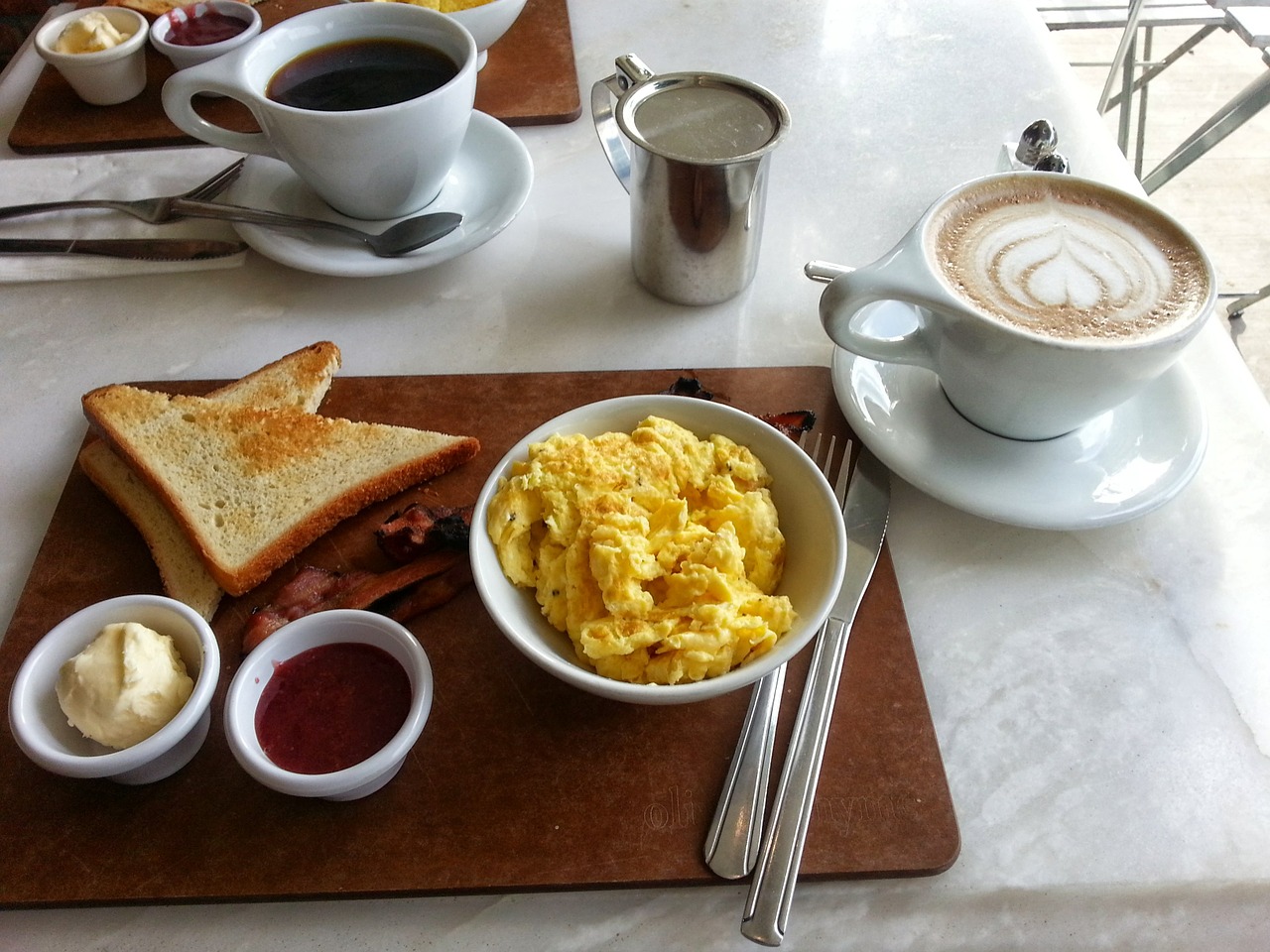
Scrambled eggs are another great way to get kids to eat eggs and can be done in a way that they don’t even realise what they are eating.  Crack the eggs into a bowl and mix with a fork.  Add milk to the mix and continue to whisk.  Pour the mixture into a pan with butter in it and cook until the eggs are light and fluffy, yellow in colour, remembering to move them around as you do.  You can serve them on toast and even add a little grated cheese on top.

Wednesday, 22 July 2015

Who to Buy for in the Wedding Party

There’s a lot of work goes into preparing and planning for a wedding and usually quite a few people help out.  Parents, family members, close friends may all get involved and may be playing an active part on the big day.  The wedding couple traditionally buy presents for certain members of the party to show their appreciation and to commemorate the day.  But who buys what for who?


Parents

Traditionally, the groom would buy something for his own mother and for the mother of the bride.  Often this may be a simple bunch of flowers given to each at the end of the speeches on the wedding day.  He would often buy a thank you gift for his father in law who had contributed the financing for the wedding.

In modern versions, there are plenty of different scenarios to cover.  The result is often a couple will choose a special gift for each of their parents or for both couples to remember the day.  One favourite idea for this is a personalised picture frame, to which a photo of the couple or the group can be added.  Having the date printed on along with a personal message is a great way to thank them for their efforts and love as well as to remember the day by in the future.


Best man and ushers

These are traditionally also the responsibility of the groom as they are ‘his’ helpers.  The best man usually receives a special present with cufflinks or a hip flask being traditional favourites.  Secondary presents are given to the ushers, usually of a lesser value.  Personalised cufflinks are a modern take, featuring the person’s name on one side and ‘best man’ or ‘usher’ on the other.

These presents are given out on a morning before the wedding party has begun.  Sometimes taking everyone out for a meal or a few drinks in the lead-up to the wedding is an alternative. 


Bridesmaids

The bridesmaid presents are traditionally the lot of the bride and the chief bridesmaid, like the best man, tends to have something a little special.  Jewellery is a popular choice and if this is the case, it is often given on the morning of the day to be worn.  Otherwise, presents are given out after the speeches on the day.

A popular alternative to jewellery is a customised glass celebrating the day and aimed at their favour drink.  So a champagne flute or wine glass for those who favour wine, a shot glass for those who like something small and even a tall glass for anyone who likes a tall drink or doesn’t like alcohol.


Other presents


If there are kids involved in the wedding party, then a keepsake present they can reflect on in later years is popular rather than something for their current age.  It is also traditional to give something to anyone else who had helped with the wedding and a commemorative gift is always a popular idea, particularly if it is someone you don’t know well and are unsure what to buy for them.

Wednesday, 15 July 2015

What Sides Should You Serve at a Barbecue?

For many people, a barbecue is all about the meat and lots of it.  But for others, something else is needed to really make a successful barbecue and side dishes are often the best way forward.  But what kind of sides should you serve at a barbecue?


Spicy sides

Corn on the cob is a popular choice for a summer barbecue and is simple to prepare and to serve.  It can also have a little extra spice added to it to make it into something different.  Salt the corn and boil it in a pan for 10 minutes.  While this is cooking, take some butter, 1 tablespoon of chopped coriander and two teaspoons of chili powder or smoked paprika, depending on your preference.  Mix them together and once the corn is cooked, empty out the water and add the butter, allowing it to coat the corn. 

Lots of us have lovely sets of dip dishes that we enjoy bringing out for special occasions and a barbecue doesn’t need to be any different.  Tortilla chips are a favourite for many people and the different dips that can be served with them make for a great starter to the meal or to be served alongside the meat dishes.  Making tortilla chips from scratch is surprisingly easy.  Take 12 corn tortillas, brush both sides with vegetable oil and cut them into triangles.  Put them on a baking tray and cook for 7-8 minutes then set to one side.  Classic dips include sour cream, guacamole and tomato salsa.


Cool sides

Salad is another great addition to the barbecue menu and is a nice green contrast to all that red meat.  For something summery and fresh, try an avocado and leaf salad.  Take a bag of mixed leaves, say spinach, rocket and watercress and place them in a bowl.  Add chunks of peeled and stoned avocadoes.  For a dressing, take 3 tablespoons of extra-virgin olive oil, 1 tablespoon of white wine vinegar and 1 teaspoon of Dijon mustard.  Whisk the three together with 1 teaspoon of water then drizzle over the mixed salad.  You can also add croutons for a little extra crunch.


Essential potatoes


Jacket potatoes are often served on or with a barbecue but there are plenty of other potato dishes that work well alongside.  Sautéed potatoes are a great idea if you have someone in charge of the barbecue and you are free to hit the kitchen.  Take 1.5 kg potatoes and cut them into small chunks.  Cook them in a pan with water until they begin to soften then drain and leave to dry for a few minutes.  In a pan, heat together 1 tablespoon of butter, 4 tablespoons of rapeseed oil and toss in four torn up bay leaves.  Add to 2 garlic cloves and warm together then toss in the potatoes and allow them to be coated.  Cook together for 20-25 minutes, turning often.  Once the potatoes are crisp and golden, grate over the zest of one lemon and cook for another minute or two.  Finally, serve them in a bowl with some parsley sprinkled over for seasoning.

Wednesday, 8 July 2015

The Secrets of Wine Food Pairings

Recently, I bought a ‘Wine O Clock’ personalised glass as a birthday present for a friend because she is such a wine fan.  She is one of those people who doesn’t just buy what’s on offer at the supermarket but plans her purchases around the meals she is making.  She can list what wine goes well with what meals but I always wondered what the basis for this was.  What are the secrets of the wine food pairings?


Flavour profiles

According to WineFolly, a good source of information for those in the know and those without a clue, there are six basic flavour profiles that can be used to pair up food and wine.  This is one of the main ways that a chef or a sommelier works out which wines should be offered with which meals.

The six profiles are:
  • Acidity – this works well with fatty or sweet food
  • Fatty – these foods need with an acidic or a high alcohol wine otherwise the wine won’t taste great
  • Bitter – also called tannic wines can be balanced out with food that is sweet
  • Salty – keep it away from acidity in wine and use it sparingly to make the meal have a little sharpness
  • Sweet – both foods and wine work well with a little acidity
  • Alcohol – high levels work well with fatty foods or to balance out a dish that is sweet


Pairing techniques

One of the easiest pairing techniques is to look at where the food and the wine are from and pair them by this.  So you can add a bottle of Italian wine to an Italian meal or a wine from Oregon to a cheese from the same area of the US.

Acidity is a profile that doubles up, unlike most of them.  This is because if a wine has less acidity than the food, the wine will taste really flat.  So think along the lines of taking an oaked chardonnay from a warm climate with a vinaigrette salad.

Combining profiles is another successful idea with sweet and salty being one of the most popular.  If you are a fan of salty food such as salted caramels or maple bacon, then a sweet wine makes for an ideal pairing.  Riesling, for example, works really well with some of the Asian dishes such as Pad Thai or fried rice.

Bitter food and wine don’t pair well but by taking a fatty food with a bitter wine, a perfect balance can be achieved.  This is the classic example of red meat and red wine but there are plenty more examples.  A red Italian wine such as Sangiovese works well with a Tuscan dish with tomatoes and rocket and a potato croquette as the fat in the croquette works well with the tannins in the wine.


Fatty foods also work well with acidic wines so champagne cuts through the fattiness of a dish – this is why white wine butter sauce is a popular sauce for many dishes.  The white wine works well in the butter and adds life to the dish.  If you have a fatty dessert such as cheesecake, add a glass of champagne.

Wednesday, 1 July 2015

Buying a Gift for the Children’s Teacher

As the end of the last term of the year comes around, many people turn their mind to buying a little thank you gift for their children’s teacher.  If you know the teacher quite well, picking a little something for them can be easy but for the teacher you haven’t had much to do with, it can be a bit trickier.  You can take the kids word for what their teacher likes but who knows how that will end?


Best teacher

For the teacher that the kids love, something that tells them they are the best teacher is always popular.  The good news is rather than buying a simple generic ‘Best Teacher’ plaque, you can now buy personalised presents that have their name on.  One example is the Best Teacher Personalised Apple Crystal Token.  The crystal block features a bright green apple image and two lines for text so can say ‘Mrs Smith Best Teacher’ or any variation including for teaching assistants, teachers helpers or other messages.

Mugs are another good bet as nearly everyone drinks coffee or tea.  Personalised mugs featuring a wife owl in blues and greens for male teachers and pinks for female teachers are an ideal present.  Add a few lines of text such as ‘thanks for helping with my English’ and add the kids’ name allows the teacher to feel appreciated for the work they have done.  Cups and saucers for those who like their drinks in the proper way are another option and can include simple messages such as ‘To My Lovely Teacher’ and who the present is from.


For the home

Something that the teacher can take home with them and fondly remember their students is another option.  This could be something as simple as a plaque with best teacher on or perhaps one personalised from your child including a message such as ‘It takes someone special to be a teacher’. 

Candles are another great idea and plain white ones will fit in with any scheme in the house.  With a simple thank you and a name on them, they aren’t too gushy but will be while teacher relaxes at home after a hard day.

If everyone in the class wants to get something together, then why not consider a hand-paintedcommemorative plate?  These plates can have the teacher’s name, a special message and the class year and name added around the right red apple image so the teacher can hang it on their wall at home or in their office and remember the thanks of the class.


Fun presents


Finally, if you know the teacher has a sweet tooth, then a personalised sweet jar is a perfect present.  The label on the jar can have their name and thanks added along with a cute teacher owl and even comes with a selection of Swizzle Sweets already in place so no shopping around, trying to guess what sweets they will like.  Then once it is empty, they can fill it up again!